How to Market Your First Shopify App in 2026
Most first-time Shopify app founders ask the wrong question. Before any channels, traffic, or ad spend, here's what actually drives your first 100 installs.
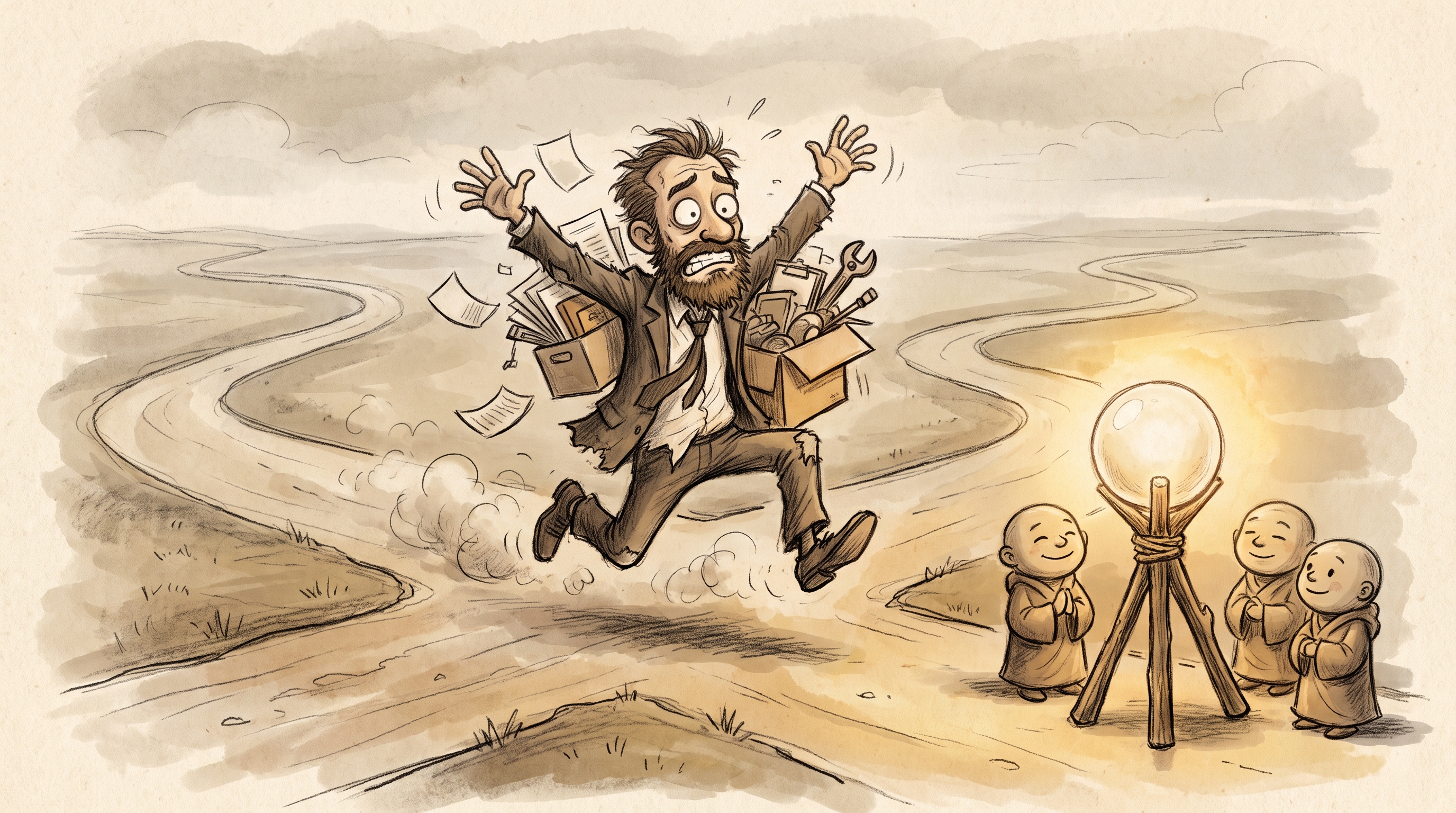
TL;DR
The channel question (“should I use ads, content, or cold outreach?”) is almost always premature. Your first 100 installs come from three places: direct outreach to merchants you know, integration partnerships with complementary apps, and a listing that actually converts when someone lands on it. If your listing buries what you do under feature lists, no channel saves you. Merchants spend roughly 8 minutes evaluating an app before they decide. Most first-time founders lose them in the first 30 seconds.
Who This Is For
Shopify app founders who are pre-launch or stuck under 50 installs, wondering where to spend their limited time and money on marketing.
The Core Problem
You built the app. Now you’re Googling “how to get Shopify app installs” and falling into a rabbit hole of channel advice: Reddit threads, YouTube videos, cold outreach guides, App Store SEO tactics. All of it feels actionable but none of it is working yet. The issue almost certainly isn’t the channel. It’s what happens when someone actually clicks through.
Why the Channel Question Is the Wrong Starting Point
First-time founders spend weeks debating channels before their listing is ready to convert.
Paid App Store ads. Cold DMs to merchants. LinkedIn content. A blog. A YouTube channel. Partnerships with agencies.
These are all real acquisition channels. They all work for some apps at some stage. But they all depend on the same thing: the listing.
If a merchant clicks your ad, reads your listing, and leaves without installing, the channel didn’t fail. The listing did.
I do positioning and listing audits for Shopify apps. One pattern shows up in almost every early-stage audit: the founder has been driving traffic for weeks and wondering why nothing converts. When we look at the listing together, it’s clear within a minute why. The value proposition is buried. The screenshots are screenshots of the UI, not screenshots of outcomes. The subtitle tries to be clever instead of clear.
Traffic to a bad listing just loses money faster.
Before you pick a channel, make the listing work. Every hour you spend on channel optimization before fixing the listing is time you’ll spend twice.
What Merchants Actually Do on Your Listing
Merchants evaluating apps in the Shopify App Store spend roughly 8 minutes on a listing before they bounce or install.
Eight minutes sounds like a lot. It isn’t.
In that window, they’re doing several things at once: reading the title and subtitle, scanning the first screenshot, checking the review count and average rating, looking at the pricing plans, and maybe skimming the description. They’re pattern-matching against a mental checklist. Does this solve my problem? Can I trust it? What does it cost?
Most listings fail the first question before a merchant gets to the others.
The title and subtitle carry disproportionate weight. If those don’t immediately communicate what problem you solve for what kind of merchant, the 8 minutes never really start. They’re gone in 30 seconds.
The single clearest signal I look for in an audit: does the listing lead with what the app does or what it helps merchants achieve? “Multi-touch attribution tracking” is what the app does. “See which ads actually drove sales” is what merchants achieve. The second version passes the mental check; the first doesn’t.
The App Store Search Flywheel Problem
Organic App Store search rankings are driven partly by install velocity and review count. When you’re brand new, you have neither. So you’re invisible to merchants who search for a solution.
That’s not a catastrophe. It’s just a constraint you need to work around early.
The implication: your first installs won’t come from organic App Store search. They can’t, because you’re not ranking yet. They have to come from somewhere else. And those early installs, if they stick and leave reviews, are what kick-start the flywheel.
This is why your early marketing strategy has to work without organic search. That means outbound channels, partnerships, and your own network, not waiting for the algorithm.
Once you have a real base of reviews and some install momentum, organic becomes a meaningful source. But you have to buy your way into that position with effort early on.
How to Get Your First 100 Installs
Direct Outreach to Merchants You Know
The fastest path to early installs is not a marketing channel. It’s conversations.
You almost certainly know merchants, or know people who know merchants. Past clients, former colleagues, people in your network who run Shopify stores. Reach out directly. Tell them what you built, what problem it solves, and ask if they’d be willing to try it.
These merchants give you something more valuable than an install: feedback. They’ll tell you what’s confusing, what’s missing, what they expected that isn’t there. That feedback shapes the product and the listing.
The goal for pre-launch is 5-10 real merchants using the app before it’s publicly live. Not beta testers who signed up for a waitlist and forgot about it. Merchants who are actually using it and can leave a genuine review on launch day.
Skip the Waitlist
Waitlists work for consumer apps and certain B2B tools with strong network effects. They don’t work well for Shopify apps.
A Shopify merchant has a specific problem they need to solve now. They’re not going to wait six weeks to see if your app solves it. They’re going to install the next best option and probably stick with it.
Waitlists also create a false sense of demand. “Two hundred people signed up” feels good until you launch and none of them convert, because they signed up out of curiosity and the problem isn’t acute enough to make them act.
Instead of a waitlist, find 5-10 merchants with the exact problem you’re solving and get them using the app now. You’ll learn more in two weeks of real usage than from a hundred waitlist signups.
Integration Partnerships with Complementary Apps
This is the channel most first-time founders miss. And it’s the one I’d prioritize above almost everything else at early stage.
An integration partnership with a complementary app means your app connects with theirs. Not a competing app, a complementary one. If you’ve built a review app, a complementary partner might be a loyalty app, a post-purchase flow app, or an email marketing tool. Different function, same merchant.
Why this channel works so well early: the partner app already has trust with your target merchants. When they recommend your app through their in-app messaging, their email list, or their listing’s “works with” section, that recommendation carries weight that a cold ad doesn’t.
The pitch to a partner is straightforward: “My app complements yours. Our users overlap. A native integration means better outcomes for the merchants using both.” Most app founders at the same stage are open to this conversation because they’re solving the same distribution problem.
One integration partnership with an established app can be worth months of cold outreach. And it compounds, because both apps can co-market each other over time.
Agency Relationships
Shopify agencies and freelance developers install apps on behalf of clients. One agency relationship can mean recurring installs from every new client store they build.
Getting on an agency’s radar takes the same approach as merchant outreach: a direct conversation, a clear value proposition, and sometimes a partner discount or revenue share. The ROI can be significant relative to the effort because agencies install at volume.
The barrier is trust. An agency won’t recommend an app to clients if they’re not confident in it. This is another reason to have real reviews before you go after agencies. Social proof matters even in B2B conversations.
What to Do When Traffic Isn’t Converting
If you’re getting impressions or clicks but not installs, the diagnostic is simple.
App Store ads with impressions but low click-through: listing headline problem. The title and subtitle aren’t matching the search intent of merchants who see you.
Clicks with low install rate: listing body problem. People are interested enough to click, but the description, screenshots, or pricing aren’t closing the gap.
Installs with high early churn: onboarding or expectation problem. The listing promised something the product doesn’t immediately deliver, or the setup is too confusing.
These are different problems with different fixes. But they’re all listing or product problems, not channel problems.
Don’t add more traffic to a broken funnel. Fix the funnel first.
Where to Spend a Small Budget
If you have a limited marketing budget in the first few months, here’s how I’d think about it.
Spend nothing on paid acquisition until your listing is converting. You have no conversion data and no way to know what the limiting factor is. Paid traffic will just accelerate your confusion.
If you’re going to spend, spend on understanding your customers first. That might mean talking to 20 merchants about their problems. It might mean paying someone experienced to audit your listing. It might mean using a tool that helps you understand where people are dropping off on your listing.
Once your listing is converting at a reasonable rate and you have a real base of reviews, then consider App Store ads. App Store ads work well when your listing is strong, because you’re essentially paying to put a working listing in front of more relevant merchants. Before that, you’re paying to expose a weak listing to more people.
The other thing worth spending on: integrations. If a developer integration or a partnership requires investment to build, that’s often more defensible ROI than the same money in ads. Distribution through a trusted partner compounds in ways that ad spend doesn’t.
The Bigger Picture
First-time founders spread thin across channels. They write a blog, make a LinkedIn, start cold outreach, experiment with ads, build three integrations, and attend a Shopify meetup, all in the first two months.
Nothing gets traction because nothing gets enough attention.
Pick one channel and make it work before you add another. Start with your network. Then one partnership. Then when the listing is converting and you have reviews, consider App Store ads.
The apps that get early momentum aren’t the ones with the most sophisticated marketing stacks. They’re the ones that stayed in one lane long enough to see results.
And before any of it works, the listing has to be doing its job. A merchant who’s been burned by three apps that overpromised isn’t reading your description carefully. They’re scanning for one reason to trust you. Give them that, and the rest of the channels start to matter.
Frequently Asked Questions
How many reviews do I need before App Store ads are worth running?
There’s no magic number, but with only a handful of reviews the social proof case is weak enough that ads tend to underperform. In my experience ads start to make sense once you have a real base of reviews, enough that the listing has the credibility to close skeptical merchants. The stronger your review quality (specific, outcome-focused reviews rather than generic ones), the more a small review count can punch above its weight.
Should I build integrations with bigger apps or apps at my size?
Both, for different reasons. An established app with a large install base gives you distribution now. An app at your size gives you a partner who’s equally motivated to co-market and more likely to prioritize the relationship. The practical answer is to start with apps at your stage because the conversations are easier and you’ll both benefit from the momentum, then pitch bigger apps once you have installs and reviews to show.
What’s the biggest mistake first-time Shopify app founders make with marketing?
Treating the listing as something to optimize “after we get traction.” The listing is the marketing. Everything else drives traffic to it. An audit I’ve done more than once involves a founder who spent months on content or outreach, got meaningful traffic, and couldn’t figure out why it wasn’t converting. The listing was the problem the whole time. Fix the listing first, then market.
How long does it realistically take to get to 100 installs?
It varies significantly depending on your category, your network, your listing quality, and how aggressively you pursue partnerships. Some founders with strong networks and a well-positioned listing reach 100 installs in the first few weeks. Others grind for months. What I can say is that the founders who get there faster almost always have real merchant relationships before they launch, not just App Store traffic. Pre-launch outreach shortens the timeline more than any post-launch channel.
Is it worth paying for professional listing help early on?
Depends on the opportunity cost. If you’re a technical founder who’s spending 20 hours trying to figure out positioning on your own, the time cost of getting it wrong is significant. A positioning audit can compress weeks of iteration into a few days. Whether it’s “worth it” depends on what you’d otherwise spend that time on. For founders at pre-launch who plan to spend on ads eventually, getting the listing right first is almost always a better use of money than the first month of paid spend. If you’re at the point of choosing that help, I wrote a map of the Shopify app marketing consultants who actually work with apps.
What should my pricing look like to get early installs?
Keep it simple and start lower than you think. A confusing pricing page kills conversions. The goal at launch isn’t revenue optimization, it’s install velocity and reviews. A free plan or a generous trial removes friction for early adopters. You can adjust pricing once you have reviews and a track record. Founders who launch with complex tiered pricing at premium rates and zero reviews almost always struggle to get the early momentum they need.
Key Takeaways
- Fix the listing before you touch the channels: Merchants spend about 8 minutes evaluating your app. If your listing buries the value under feature lists, no channel will save the conversion rate.
- Your first 100 installs don’t come from organic search: Because you have no ranking history yet, early installs have to come from your network, direct outreach, and integration partnerships. Organic kicks in after you have reviews and velocity.
- Integration partnerships are the most underrated early channel: A complementary app that already has your target merchant’s trust can drive more qualified installs than months of cold outreach or early ad spend.
Ohad Michaeli
Strategic positioning for Shopify apps
Want more insights like this?
Join Shopify app founders who get actionable positioning and optimization strategies.